

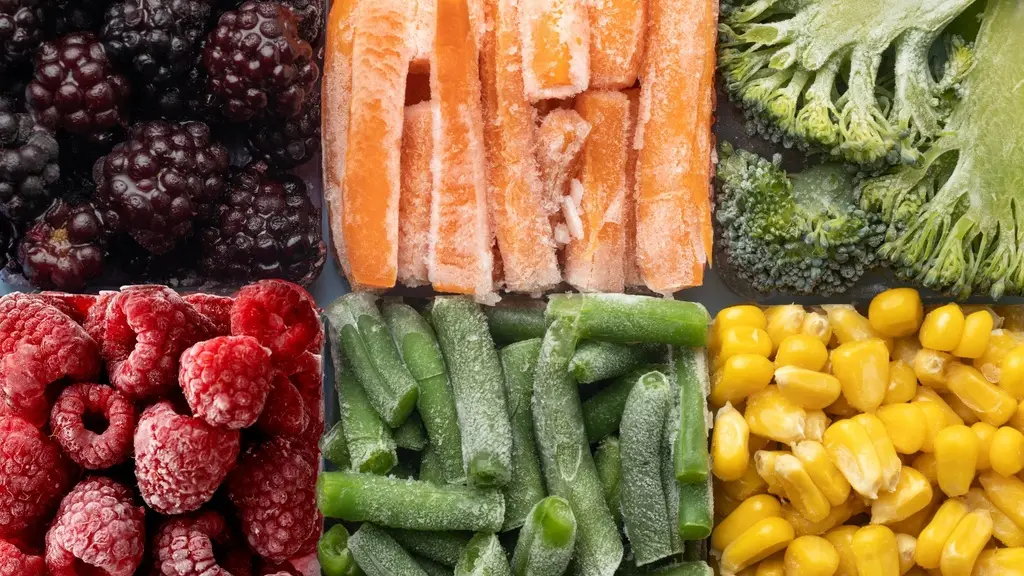
The Honest Answer About Your Freezer
Knowing what to do with frozen food when moving comes down to three things: how far you’re moving, how much you have stockpiled, and how much time you’ve got to plan. Most movers won’t transport frozen food, and even if they would, the risk of loss is high over any real distance.
The realistic answer for most people is to start emptying the freezer 4 to 6 weeks before move day. For local moves, a cooler can save what’s left. For long-distance moves, almost everything frozen needs to be eaten, given away, or written off.
Here’s how to think about it without losing your mind (or your freezer-burned ribeyes).
Why Movers Won’t Move Frozen Food
Moving trucks aren’t refrigerated. The cargo area gets hot in summer, cold in winter, and never stays at freezer temperature for the duration of any real trip.
Even on a short local move, the inside of a moving truck heats up fast once the doors close. Anything frozen starts thawing within an hour or two. By the time the truck reaches the new place, what was solid is now leaking, and what’s leaking is now contaminating everything around it.
Most reputable movers explicitly exclude perishable food from their service for these reasons. Even if a mover agreed to take it, you’d still risk losing everything. Frozen food simply doesn’t belong on a moving truck.
Start 4 to 6 Weeks Before Moving Day
The single most important thing you can do is plan ahead. The earlier you start, the less you’ll waste.
Six weeks out, take inventory of what’s actually in your freezer. Most people are surprised by what they find: things they forgot they bought, things buried under bags of frozen veggies, things that are already past saving. Make a list and group items by what’s actually usable.
Stop buying frozen anything. No bulk meat purchases, no Costco runs for frozen meals, no impulse-buying ice cream. Whatever you bring home from this point on needs to fit through the system before move day.
Build a meal plan around using up what’s already there. Aim for the freezer to be empty or nearly empty by the week of your move. Even getting it 80% emptied is a major win.
What to Do With Frozen Food If You Have a Local Move
If your local move is under 50 miles and the truck ride is under a few hours, a cooler is a real option for the freezer remnants you couldn’t use up.
Pack frozen items last, on move day morning. Use a sturdy cooler (or two) with plenty of ice packs or freezer blocks. Layer your frozen food in tightly. Items packed close together stay frozen longer than items spread out with air gaps.
For extra hold time on a hot day, dry ice works for 4 to 6 hours and keeps everything rock-solid. Most grocery stores sell it. Wear gloves when handling it, never seal it in an airtight container, and put it on top of your frozen items, not under them.
The cooler rides in your car, not the moving truck. Plug in your new freezer the night before you move so it’s cold when you arrive. As soon as you’re at the new place, transfer everything from cooler to freezer immediately.
Skip anything that’s partially thawed, freezer-burned, or that you forgot you owned. The cooler space is too valuable to waste on food you weren’t excited about anyway.
What to Do With Frozen Food If You Have a Long-Distance Move
For a long-distance move, the honest answer is harder: most frozen food can’t make the trip.
If you’re driving and the trip is one day or less, a cooler with dry ice can preserve essentials for 12 to 24 hours. Beyond that, you’re either constantly re-icing or accepting that things will thaw. For multi-day cross-country drives or any move where the truck arrives separately from you, frozen food doesn’t survive.
The realistic plan: don’t bring it. Eat it down in the weeks before the move, give away what you can’t finish, and accept that some frozen items will go in the trash. Trying to save a $40 bag of chicken across a 1,500-mile move costs more in stress and gas than just buying new chicken at the destination.
If there are sentimental or hard-to-replace items (homemade meals from a relative, specialty items not available at your new location), prioritize those for the cooler and let the rest go.
How to Use Up Frozen Food in the Weeks Before Your Move
Using up frozen food sounds simple until you’re staring at a freezer full of unrelated ingredients. A few strategies that actually work:
Plan a Freezer Challenge Week
Commit to one full week (or two) of cooking only from the freezer and pantry. No grocery runs except for fresh produce and dairy. The constraint forces creativity and clears space fast. You’ll be surprised how much you can use up in seven days.
Slow Cooker and Instant Pot Are Your Friends
Frozen meat, frozen vegetables, and a jar of sauce go straight into a slow cooker with no thawing required. Same with chili, soup, and shredded chicken recipes. These tools are designed for exactly this kind of “what’s in the freezer” cooking.
Cook Ahead and Pack for the Road
If you’ve got more than you can eat the week of the move, cook ahead and portion meals into containers for the move itself. Soups, stews, casseroles, and burritos all freeze and reheat well. Pack them in your car cooler for road-trip food, especially helpful for long drives.
The Kitchen-Sink Approach
Combine random frozen ingredients into soups, stews, and casseroles. A bag of frozen veggies, the last of the ground beef, half a bag of frozen broth cubes, and some pantry beans become dinner. Don’t overthink it.
Where to Donate or Give Away Frozen Food
If you can’t eat it, give it. Frozen food (especially factory-sealed items) is genuinely useful to people who’d appreciate it.
- Local food banks. Call ahead. Not all food banks accept frozen donations, but the ones that do are often desperate for protein and prepared meals.
- Buy Nothing groups on Facebook. Post what you have. Neighbors will pick it up the same day.
- Friends, family, coworkers. Anyone who has freezer space and will appreciate not buying groceries that week.
- Religious or community organizations. Churches, mosques, synagogues, and community centers often run meal programs and have industrial freezers.
The rule across all of these: factory-sealed only. Nobody wants your half-eaten pint of ice cream or the freezer-burned chicken thighs from 2023. Stick to unopened, in-date items.
What to Throw Out
Some things aren’t worth the effort to save, transport, or donate. Be honest:
- Anything freezer-burned (already ruined)
- Items past their date
- Mystery items in unlabeled bags or containers
- Half-used bags of vegetables that have been in there for a year
- That ice cream you bought one time and forgot about
If you wouldn’t eat it next week, you won’t eat it after the move. Throw it out and save yourself the cooler space.
Prepping the Freezer Itself for the Move
The freezer needs to be empty (or close to it) at least 24 hours before move day. Frozen ice and water inside the unit are exactly what you don’t want during transport.
Unplug the freezer at least 24 hours before the crew arrives. Pull out anything left, defrost it completely, and clean the inside thoroughly. Dry it out with towels. Any moisture left inside will turn into mildew during transit.
Once it’s clean and dry, wedge the door open with a folded towel or a piece of cardboard during the move. This prevents the seal from sticking and helps any remaining moisture evaporate. At the new place, leave the freezer unplugged and standing upright for at least 24 hours before turning it back on. This lets the compressor oil settle properly.
How You Move Me Handles the Kitchen on Move Day
Kitchens are one of the most time-intensive rooms in any move. The freezer is the part of the kitchen that needs the most advance planning, because it’s the only room where what you do (or don’t do) the week before genuinely affects what your move looks like.
Our crews can handle packing the rest of the kitchen if you book full-service packing. The freezer, however, has to be empty when we arrive. Frozen items always travel in your car, never on our truck. We’ll handle the cookware, the dishes, the small appliances, and everything else on the shelves. The frozen food side is on you.
If you’re nervous about the kitchen taking forever on move day, talk to us during your estimate. We can plan around it.
Frequently Asked Questions
Will movers move frozen food?
Most professional movers won’t transport frozen food. Moving trucks aren’t refrigerated, the cargo area heats up quickly, and any thawing or leaking creates contamination risk for everything else on the truck. Frozen food should travel in your personal vehicle, in a cooler with ice packs or dry ice.
How long can frozen food stay frozen in a cooler?
With ice packs alone, frozen food stays solid for 24 to 48 hours if the cooler is well-packed and stays closed. With dry ice, you can extend that to 4 to 6 hours of rock-solid frozen storage even in hot conditions. The fuller the cooler, the longer everything stays frozen.
Can you put frozen food in a cooler with ice packs for a move?
Yes, for a local move under a few hours, a cooler with ice packs works well. Pack frozen items tightly together with no air gaps, and keep the cooler closed as much as possible during transit. For longer trips, dry ice is more effective than regular ice packs.
How do I prepare a freezer for moving?
Unplug the freezer at least 24 hours before move day. Empty it completely, defrost any built-up ice, clean the interior, and dry it thoroughly. Wedge the door open during transit to prevent mildew, then let the freezer sit upright at your new place for at least 24 hours before plugging it back in.
Can frozen food survive a long-distance move?
Generally, no. Most long-distance moves involve transit times that exceed how long even the best cooler setup can keep food frozen. For one-day road trips, dry ice can preserve essentials. For multi-day moves or moves where the truck arrives separately, frozen food doesn’t survive.
Pack Smart, Eat Smart, Move Smart
The freezer is one of those moving-day problems that quietly becomes a big deal if you ignore it. Start emptying it now and you’ll thank yourself the week of the move. Get your free estimate from You Move Me and we’ll handle the rest of your kitchen, no defrosting required. Or call (800) 926-3900 to talk through what your move will actually look like.