

Quick Answer: A dedicated moving truck carries one household’s belongings and nothing else. The same crew loads it, drives it, and unloads it, so your things arrive when you do instead of on a carrier’s schedule. Shared-load moves put several families on one trailer and deliver inside a window that can stretch for weeks.
A dedicated moving truck is the single biggest difference between a long-distance move that arrives on your date and one that arrives on the carrier’s date. Most people never hear the term until something goes wrong. By then, their furniture is on a trailer somewhere between two states, sharing space with strangers’ boxes, and nobody can say which day it will show up. This post explains what a dedicated truck is, how the shared-load alternative works, and how to tell which one your quote actually includes.
What Is a Dedicated Moving Truck?
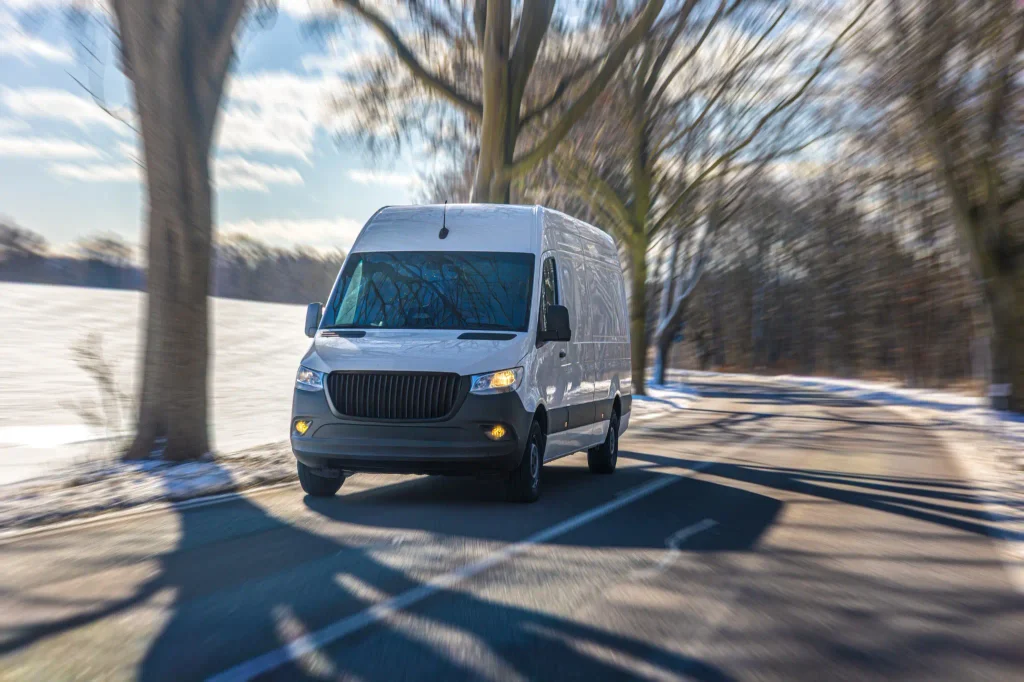
A dedicated moving truck is a vehicle reserved for your move alone. Your belongings go on at your old home, the truck drives straight to your new one, and your belongings come off. No other household rides along. No stops at a warehouse in between. The industry also calls this exclusive use, and the two terms mean the same thing.
The crew matters as much as the truck. On a true dedicated move, the people who wrap your dining table on load day are the same people who carry it into your new house. One team owns the inventory sheet from the first signature to the last. Because nothing changes hands, nothing gets lost in a handoff.
How Does a Shared Load Move Work?
A shared load move puts your shipment on a trailer with other families’ belongings headed the same general direction. Large van lines run this way because a long-haul trailer rarely fills up with one household. To make the route pay, the driver picks up several shipments along the way and drops them off in sequence.
The chain of companies is longer than most people expect. A van line is a national brand made up of independently owned local agents. One agent books your move. Another agent may pack and load it. A long-haul driver, often a contractor leasing onto the brand’s authority, hauls the trailer. A different agent unloads at the destination. Federal rules draw a clear line here. A mover owns trucks and takes responsibility for your goods. A broker only arranges the move. Even a legitimate van line, though, can pass your shipment through three or four sets of hands.
Why Does a Delivery Window Exist?
The delivery window exists because your shipment is on someone else’s route. When a trailer carries four households, the driver delivers them in the order the route dictates. Your stop might come first or last. The carrier protects itself by quoting a spread of days instead of a single date. On a cross-country move, that spread can run one to three weeks.
For the customer, the window creates a gap. You arrive at the new house on Friday. Your bed arrives the following Thursday. In the meantime, you sleep on an air mattress, eat off paper plates, and work from a folding chair. A dedicated moving truck removes the gap entirely, because the truck has one destination and one customer.
What Goes Wrong on a Shared Load?
Three problems show up again and again on consolidated shipments. First, delays stack. One customer ahead of you who underestimated their inventory pushes every stop behind them. Second, transfers happen. Shipments often move from a local truck to a long-haul trailer and back again. Every transfer is a chance for a box to sit on the wrong dock. Third, items mix. Lot tags and plywood bulkheads separate households on paper, but a rushed unload at 6 p.m. does not always respect the paperwork.
None of these problems require a bad company. The model itself creates them. The only way to remove them is to remove the sharing, which is exactly what a dedicated moving truck does.
Is a Dedicated Moving Truck Worth It?
For most long-distance moves, yes. The cases where it matters most are the ones with a hard date on the other end. Think of a closing that cannot slip, or a job that starts Monday. Seniors moving into a community with a fixed move-in day fall into this group. So do families with school-age kids who need beds and a kitchen on night one. Anyone with high-value or sentimental items also benefits, because one crew stays accountable for them the whole way.
Shared loads suit people with flexible timing, a place to stay at the destination, and no strong attachment to a delivery date. If that describes your move, a shared load can work. Just make sure you know that is what you are buying, and that a dedicated moving truck was not quietly left off the quote.
How to Tell If Your Quote Includes a Dedicated Moving Truck
Quotes rarely say “shared load” or “dedicated moving truck” in plain language. These five questions get you a straight answer in a couple of minutes.
- Will my belongings be the only shipment on the truck? Ask for a yes or no. “We prioritize your delivery” is not a yes.
- Will the crew that loads also unload? A van line agent will usually say no, because a different agent handles the destination.
- Is my delivery a date or a window? A window of several days means your shipment is on a route.
- Will my shipment transfer to another vehicle at any point? Transfers mean a warehouse stop and another set of hands.
- Who do I call during the move? A local name and number beats a national claims line.
If any answer is vague, ask for it in writing. A mover running dedicated trucks will put it in the contract without hesitation.
How You Move Me Runs Every Long-Distance Move
A dedicated moving truck is the standard on every You Move Me long-distance move, not an upgrade. One crew handles your move from start to finish. Your truck carries only your belongings, and it never combines shipments. The goal on every job is simple: you sleep in your own bed on the first night in the new home.
The rest of the model backs that up. You Move Me provides bonded pricing on all long-distance moves in the United States, so the number you approve is the number you pay. Full-value protection is available on every move. Your local Operations Director stays your contact before, during, and after the move, so you never explain your situation to a call center. Estimates run on smart technology and come virtually, by self-survey, or in person. We covered how estimate types differ in our post on binding and non-binding moving quotes. For a closer look at the single-crew model on the road, read why one-team moves matter.
Every mover on the crew is a W-2 employee, trained and certified in-house. Since 2012, that approach has earned more than 38,000 5-heart reviews across 20+ locations in the United States and Canada.
Ready to Move Long Distance on a Dedicated Moving Truck?
Tell us where you are going and when you need to be there. We will send one crew, one truck, and a bonded price. Request your free long-distance estimate or call us at (800) 926-3900. We Move You, Not Just Your Boxes.