

Moving a Home Gym Is a Job All Its Own
Fitness equipment moving is not like moving furniture. A sofa is awkward. A power rack with 500 pounds of plates loaded onto it is a different problem entirely. Home gyms are heavy, often partially assembled in place, and designed to stay put. Moving them requires a plan, the right tools, and in many cases a professional team that knows what they’re doing. This guide walks you through every major piece of equipment and exactly how to get it from one home to the next without damaging your gear or your body.
Take Stock of What You Have Before You Start
Before you move a single piece of equipment, do a full inventory of your home gym. Write down every piece and note whether it disassembles. Most cardio equipment like treadmills, ellipticals, and bikes can be partially disassembled. Weight racks and cable machines, on the other hand, should be fully disassembled before moving. Some equipment, particularly older or commercial grade pieces, may not have disassembly instructions readily available, which is a red flag worth addressing early.
Measure your doorways, hallways, and stairwells and compare those dimensions against your largest pieces. A power rack that fit through your garage door when it arrived in pieces may not fit through your interior hallway assembled. Finding this out before moving day saves a lot of grief.
Also take a hard look at what’s worth moving. Older cardio equipment with significant mileage, pieces you rarely use, and anything that would cost more to move than to replace are worth reconsidering. Selling before the move and buying new at your destination is sometimes the smarter call.
Gather the Right Supplies
Fitness equipment moving goes much more smoothly with the right tools on hand before you start. Moving straps and a heavy duty furniture dolly are essential for any piece that can’t be fully disassembled. Straps distribute weight across two people and significantly reduce the risk of injury when navigating stairs or tight corners.
Moving blankets and stretch wrap protect equipment surfaces, screens, and upholstered components during transit. Screwdrivers, Allen keys, and adjustable wrenches handle most disassembly tasks. Keep a supply of ziplock bags for hardware and label each bag with the piece it belongs to. Cardboard and foam padding are worth having for console screens, display panels, and any glass or plastic components.
How to Move a Treadmill
Treadmills are one of the most common pieces of home gym equipment and one of the trickiest to move. If your treadmill folds, fold it before moving. Most folding treadmills have a locking mechanism that keeps the deck in place during transport. Check your owner’s manual to confirm the right procedure before you fold and move.
If your treadmill does not fold, disassemble the console and handlebars where possible to reduce the overall profile. Wrap the console in moving blankets and secure it separately. Protect the belt from dirt and debris during the move by wrapping it with stretch wrap or a moving blanket.
A furniture dolly is essential for treadmill removals. Even a folded treadmill is too heavy to carry any distance without one. Plan for at least two people on flat surfaces and three people on stairs. Treadmills are notoriously top heavy when folded and can tip with very little warning.
If your treadmill is oversized or commercial grade, a professional treadmill moving service is the right call. The cost is worth it compared to the risk of injury or damage to the machine.
How to Move an Elliptical and Other Cardio Equipment
Ellipticals are among the most awkward pieces of cardio equipment to move. They’re tall, top heavy, and often don’t disassemble in any meaningful way. How to move an elliptical safely starts with removing the pedals and handlebars where the design allows, reducing the overall footprint before transport.
Secure any moving parts with stretch wrap before attempting to move the machine. Pedal arms and handlebars that swing freely during transport can cause injury and damage. Never attempt to tip an elliptical without a second person supporting the opposite side. The center of gravity on most ellipticals is higher than it looks.
Stationary bikes and rowing machines are generally more manageable. Most bikes fold or disassemble partially, and rowing machines break down into two or three sections. Wrap any seat rails and monitor arms in moving blankets to prevent scratches during loading.
How to Move Weight Equipment and Racks
Moving home gym equipment in the weight category requires a different approach from cardio gear. Always disassemble power racks, squat racks, and cable machines completely before moving. These structures are not designed to be moved assembled and attempting to do so risks damaging the equipment, the floor, and anyone nearby.
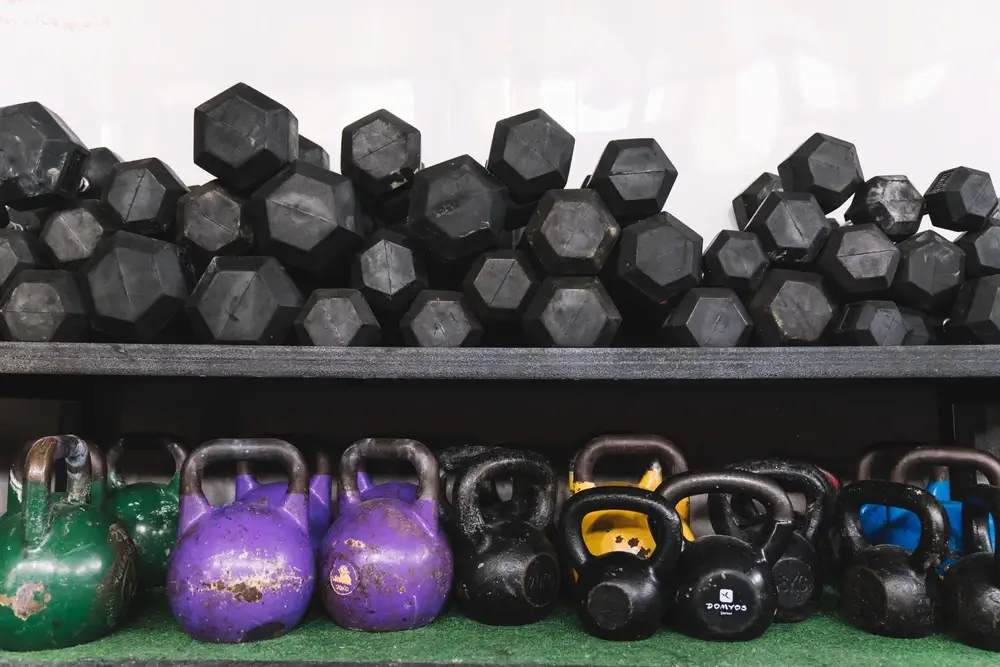
When it comes to how to pack weights for moving, the rule is simple: small boxes only. A box of weight plates can exceed safe lifting limits very quickly. Pack plates in small boxes with no more than 40 to 50 pounds per box and label each one clearly. Dumbbells follow the same logic. Never pack an entire dumbbell rack as a single unit.
Cable machines and functional trainers have weight stacks that need to be secured or removed before transport. An unsecured weight stack shifts during transit and can cause serious damage to the machine and the truck. Check your owner’s manual for the recommended transport procedure or contact the manufacturer if instructions aren’t available.
Smith machines are among the most complex pieces to move. A full disassembly is required, and the process is time consuming enough that many people choose to sell and replace rather than move them.
Protecting Your Floors During the Move
Heavy gym equipment can cause serious damage to hardwood, tile, and laminate floors if it’s dragged or dropped. Use plywood sheets under anything being slid across hard floors. Furniture sliders work well for short distance repositioning within a room but aren’t designed for long hauls down a hallway.
Lay moving blankets across high traffic floor areas before you start moving equipment. Pay particular attention to doorway thresholds, which are vulnerable to gouging from dolly wheels and equipment feet.
At You Move Me, floor protection is part of every move. Our team lays down protective runners before any equipment moves, so your floors at both the old home and the new one stay in the same condition they started in.
When to Call in Professional Home Gym Movers
Some home gym moves are well within DIY territory. Others aren’t. If you have commercial grade equipment, multiple large pieces, or a multi level home with narrow stairs, professional home gym equipment movers are worth every penny.
The injury risk alone makes the case. Moving heavy gym equipment without proper training, equipment, and technique is one of the more reliable ways to end up with a back injury on moving day. A professional gym equipment removalist brings the right tools, the right technique, and enough people to do the job safely.
At You Move Me, our movers are W-2 employees, fully trained and certified in-house. These are not day laborers figuring it out as they go. They are experienced professionals who handle heavy, awkward equipment regularly. Our smart technology estimates also mean you know exactly what your move will cost before moving day, with no hidden charges and no surprises.
For most home gyms, a combination of careful DIY prep and professional moving muscle is the sweet spot. Disassemble what you can, pack what you’re able to, and let the trained team handle the heavy lifting.
Ready to Move Your Gym?
Your home gym took time and money to build. Make sure it arrives at your new home ready to use.
Get your free estimate today and let America’s Favorite Local Movers handle the heavy work. ♥