

The Short Answer: Usually No, and Here’s Why
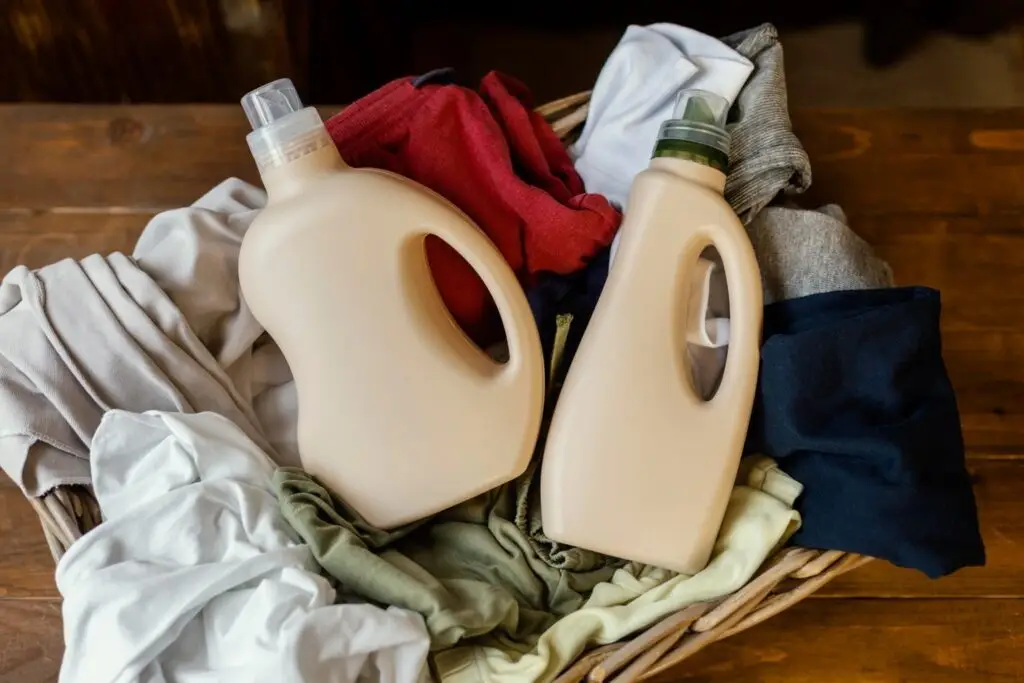
Can movers move opened laundry detergent? In most cases, no. Professional movers avoid transporting opened liquid laundry detergent. It leaks, damages other belongings, and ruins moving truck interiors. Some movers will transport unopened, sealed bottles at their discretion. Opened containers almost always stay behind.
This guide covers why movers handle laundry detergent this way. Plus what to do with bottles you can’t bring and which other items might surprise you.
Why Movers Avoid Liquid Laundry Detergent
The reasoning comes down to risk. Liquid laundry detergent looks harmless, but inside a packed moving truck, it creates real problems.
- Leaks happen. Even tightly sealed bottles can leak under shifting truck weight, temperature changes, or rough roads. Once detergent escapes, it spreads fast.
- Cleanup is brutal. Soap residue ruins cardboard, soaks into upholstery, and stains nearly anything porous it touches. A single leaked bottle can damage thousands of dollars of belongings.
- Liability falls on the mover. If detergent destroys other items in transit, the moving company often eats the cost. Most movers won’t take that risk.
- Weight adds up. A jug of liquid detergent weighs several pounds. For long-distance moves charged by weight, customers end up paying to transport water.
None of these reasons are unique to laundry detergent. They apply to almost any liquid in a household, which is why movers tend to avoid liquids in general.
Opened vs. Unopened: Does It Matter?
Yes. The opened-versus-unopened distinction matters more than most people realize.
Unopened, factory-sealed bottles still have the manufacturer’s seal protecting them. Some movers accept these, especially for local moves, because the leak risk drops significantly. Always ask in advance.
Opened bottles tell a different story. The original seal no longer holds. The cap might not screw down perfectly. The bottle has been through real life. Most movers refuse opened containers outright because the leak risk jumps significantly.
If you want to try to move detergent on the truck, factory-sealed bottles give you the best shot. But even then, the moving company has the final say.
Other Laundry Room Items Movers Won’t Take
Laundry detergent isn’t the only laundry room item movers refuse. Plan for these too.
- Bleach. Highly corrosive, dangerous around fabric and electronics. Movers refuse it.
- Fabric softener (liquid). Same leak risk as detergent. Pods and dryer sheets are usually fine.
- Stain removers. Many contain solvents or hazardous chemicals.
- Liquid laundry boosters. Treat them like detergent: opened containers won’t make the truck.
- Drain cleaner or septic treatments. If you store these in the laundry room, they’re a hard no.
Dryer sheets, detergent pods, fabric softener sheets, and unopened powder boxes generally pose no problem. Anything sealed and dry usually rides without issue.
What About Powder or Pod Detergent?
Here’s the surprise: powder and pod detergent are usually fine.
Powder detergent doesn’t carry the leak risk that makes movers nervous about liquid. As long as the box stays intact and sturdy, most movers will load it without complaint. Detergent pods follow the same logic. They stay sealed, dry, and stable.
Moving to a new home and want to bring laundry supplies? Swap liquid for pods or powder. That solves the problem entirely. Worth knowing if you’ve got a fresh new bottle you don’t want to waste.
What to Do With Liquid Laundry Supplies Before You Move
You’ve got bottles on the shelf and the movers won’t take them. Here are the realistic options.
- Use them up. If your move is a few weeks out, run laundry more often. Get the bottle as empty as possible.
- Give them to neighbors or friends. A nearly full bottle of detergent is a useful gift. Most people happily take it.
- Donate to a local shelter. Many shelters and transitional housing programs accept unopened laundry supplies. Call ahead to confirm.
- Transport them in your own vehicle. If you’re moving locally and have car space, bring them yourself. Pack them upright, in a sealed bag, inside a hard-sided container.
- Dispose of them properly. Most areas don’t classify liquid laundry detergent as household hazardous waste. Small amounts can go down the drain or in regular trash. Check your local guidelines.
Don’t pour large quantities down storm drains or outside. Use the actual sink or follow your municipality’s instructions.

Other Common Household Items Movers Won’t Move
Laundry detergent represents a small slice of a much bigger list. Here’s what else commonly stays behind on moving day.
- Hazardous materials. Propane tanks, gas canisters, paint, paint thinner, gasoline, motor oil, fertilizers, pesticides, pool chemicals, fireworks, ammunition.
- Cleaning chemicals. Bleach, ammonia products, drain cleaners, oven cleaner.
- Perishable food. Anything that needs refrigeration or freezing. Frozen and refrigerated items spoil in transit.
- Plants. Many states restrict plants from crossing borders. Heat and cold in trucks also kill plants quickly.
- Pets. Movers don’t transport animals. Pets travel with you.
- Car batteries and automotive fluids. Leak risk plus chemical reaction risk. Hard no.
The specific list varies between movers, so always confirm with your moving company before packing anything you’re unsure about.
What You Should Move Yourself Anyway
Beyond the items movers won’t take, there’s another category: items movers can technically transport but shouldn’t. These belong in your personal vehicle for safety, security, or peace of mind.
- Cash, jewelry, and financial documents. Always travel with you.
- Prescription medications. You may need them during the move.
- Personal documents. Passports, birth certificates, Social Security cards.
- Irreplaceable sentimental items. Family photos, heirlooms, keepsakes.
- Electronics with personal data. Laptops, external drives, anything with sensitive information.
The rule of thumb: anything irreplaceable should ride with you, not the truck. Same goes for anything that creates a security risk if lost.
Ask Your Moving Company in Advance
Every moving company has its own specific list of restricted items. The categories overlap heavily, but the details vary. Ask when you book your move, not on moving day.
At You Move Me, our smart technology estimate process surfaces these questions early. You’ll know exactly what to plan for before our truck shows up. No surprises at the curb. If you’d rather hand off the packing entirely, our packing services handle it. For tight timelines, our same-day moves get you moving fast.
If you’re not sure whether your moving company restricts a specific item, ask. A five-minute conversation saves a lot of moving day stress.
FAQ: Common Questions About Movers and Laundry Supplies
Will movers move unopened laundry detergent?
Some movers will accept factory-sealed, unopened bottles, especially for local moves. Always confirm with your moving company first.
Will movers take detergent pods?
Yes, in most cases. Pods come sealed and dry, which removes the leak risk that makes liquid detergent a problem.
Can movers move bleach?
No. Bleach is highly corrosive and damages anything it touches. Use it up, give it away, or dispose of it before moving day.
Will movers move powder laundry detergent?
Usually yes. Powder doesn’t carry the same leak risk as liquid. Make sure the box stays sealed and stable for the truck.
What happens if I sneak liquid detergent into a box?
If it leaks and damages other items, the moving company won’t cover the resulting damage. Worse, you might lose other belongings to ruined cardboard and soaked items. Don’t risk it.
Can I transport detergent in my own car?
Yes. Pack it upright, double-bag it, and put it in a sealed plastic bin or cooler. Liquid in a personal vehicle is your call.
Ready to Move With Confidence?
You know what stays behind. Now let’s get the rest of your home moving. As America’s Favorite Local Movers, our trained team handles your belongings with care.
Get your free estimate today. ♥